Choosing wood veneer suppliers is an important step for joinery, furniture, cabinetry, wall lining, and interior fit-out projects. Veneer is often selected because it gives the warmth and natural look of timber while allowing designers and builders to use timber more efficiently across larger surfaces.
A good supplier does more than sell sheets or panels. They help buyers choose the right veneer species, substrate, finish, matching style, and panel type for the project. This matters because the final result depends on both appearance and performance.
For Australian projects, buyers may be comparing visual style, durability, availability, sustainability, fire performance, and delivery timing. These details should be considered early so the selected material suits the design and the way the space will be used.
What Timber Veneer Is Used For
Timber veneer is commonly used on cabinetry, wall panels, doors, furniture, reception counters, retail displays, office interiors, hospitality spaces, and feature joinery. It can help create a natural timber look without using solid timber for every surface.
Timber veneer panels are especially useful when a project needs a consistent finish across large areas. They can be used for flat panels, curved work in some cases, decorative walls, joinery fronts, and custom furniture pieces.
A timber wood panel may be chosen for appearance, cost control, weight, stability, or design flexibility. The right choice depends on the application, the substrate, and the finish.
Why Supplier Choice Affects the Final Result
Veneer is a natural material, so colour and grain can vary. This is part of its appeal, but it also means supplier advice is important. A supplier can help explain how different veneers look, how they may change after finishing, and how to manage consistency across a project.
Supplier choice can also affect lead times, panel matching, pressing quality, substrate options, and documentation. If the project has design, compliance, or sustainability requirements, these details should be confirmed before ordering.
This is why it is worth comparing timber veneer suppliers carefully instead of choosing based on price alone.
Choosing the Right Veneer for Your Project
The right veneer depends on the look you want and where the material will be used. A veneer that works well for a feature wall may not be the best choice for a high-use counter, cabinet face, or commercial fit-out.
Before choosing, think about colour, grain, texture, finish, durability, and how the veneer will sit beside other materials such as stone, glass, metal, paint, laminate, or flooring.
Match the Species to the Look and Use
American oak veneer is a popular choice for many interior projects because it offers a warm, natural look and a recognisable grain. It can suit cabinetry, wall panels, furniture, and commercial interiors where a clean timber finish is needed.
Lighter veneers can make a space feel open and calm. Darker veneers can create a richer and more formal look. Strong-grain veneers can become a feature, while quieter grain patterns may suit minimalist interiors.
It is best to view samples before making a final decision. Photos can help, but they do not always show the full colour, grain, or finish accurately. A physical sample gives a better idea of how the material will work in the actual space.
Think About Durability, Finish, and Maintenance
Veneer performance depends on the species, substrate, finish, and application. A wall panel may not face the same wear as a tabletop or cabinet front. High-touch surfaces may need a more durable finish or a different material choice.
Ask how the veneer should be finished, cleaned, and maintained. Some finishes can change the colour or depth of the timber. Others may offer better protection for commercial or high-use spaces.
If the project needs moisture resistance, fire performance, acoustic performance, or other technical properties, confirm the correct product and documentation before ordering.
Comparing Timber Veneer Panels and Substrate Options
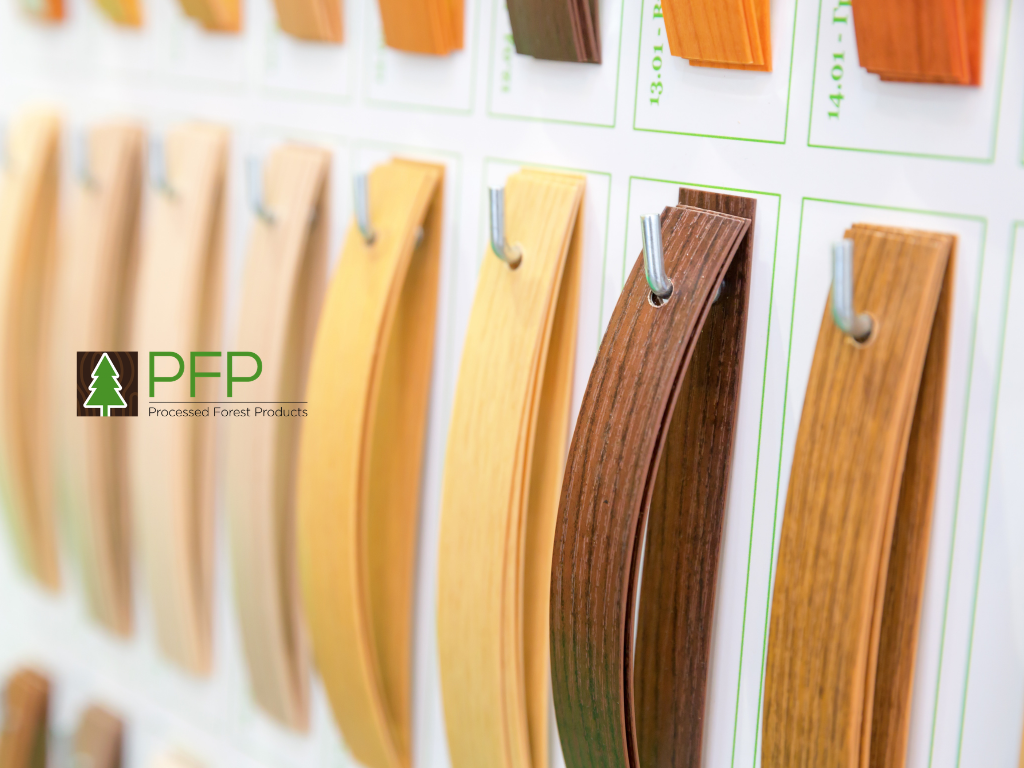
When choosing veneer, it is easy to focus only on the timber face. However, the substrate behind the veneer is just as important.
The substrate affects strength, weight, stability, screw holding, machining, edge finishing, and suitability for different applications. A good supplier can help explain which substrate fits the project.
Understand the Panel Behind the Veneer
Timber veneer panels may be pressed onto MDF, plywood, particleboard, or other sheet materials. Each option has different qualities.
MDF is often used for smooth surfaces and detailed joinery. Plywood may be chosen where strength, screw holding, or a different edge detail is important. Particleboard may suit some cost-sensitive applications, depending on the use.
The best substrate depends on the project. Cabinet doors, wall panels, shelves, furniture, and feature linings may each need different panel choices. Before ordering, explain how the panel will be used, how it will be fixed, and whether it needs machining, edging, or finishing.
When a Fire Rated Board May Be Required
Some projects may need a fire rated board, especially in commercial interiors, public buildings, hospitality spaces, education settings, or other regulated environments. The exact requirement depends on the building type, location, application, and relevant codes.
Fire performance should never be guessed. If a project requires a fire-rated substrate or certified panel system, ask for the correct documentation and confirm it with the builder, certifier, architect, or relevant authority.
It is also important to check whether the fire performance applies to the full panel system, not just one component. The veneer, substrate, adhesive, finish, perforation, and installation method may all affect compliance.
Looking for Sustainable Veneers and Responsible Sourcing
Sustainability is a growing consideration in Australian interiors, architecture, and joinery. Many buyers now want materials that look good while also supporting responsible sourcing and efficient use of timber.
Sustainable veneers can help make better use of timber resources because a thin timber surface can cover a larger panel area. However, sustainability claims should always be checked carefully.
Why Sustainability Matters in Material Selection
Material choices affect the look, cost, performance, and environmental impact of a project. Veneer can be a practical option when a project wants a natural timber finish without using large amounts of solid timber.
Sustainable veneers may appeal to designers, builders, and clients who want responsible material choices for homes, offices, retail spaces, restaurants, and public interiors.
However, the word sustainable can mean different things depending on the product. It may relate to certification, managed forests, chain of custody, efficient timber use, recycled content, low-emission substrates, or long product life.
What to Ask Before Choosing Sustainable Veneers
Before choosing sustainable veneers, ask where the timber comes from and whether certification or chain-of-custody documentation is available. Also ask whether the substrate has relevant environmental or emissions information.
If a product is promoted as sustainable, the supplier should be able to explain why. They may provide documentation, product data sheets, certification details, or information about sourcing. Any claim about sustainability should be supported before it is used in project documentation or marketing.
It is also useful to ask about availability. Some species or certified products may have longer lead times, so early planning can help avoid delays.
How to Choose the Right Product or Service Supplier
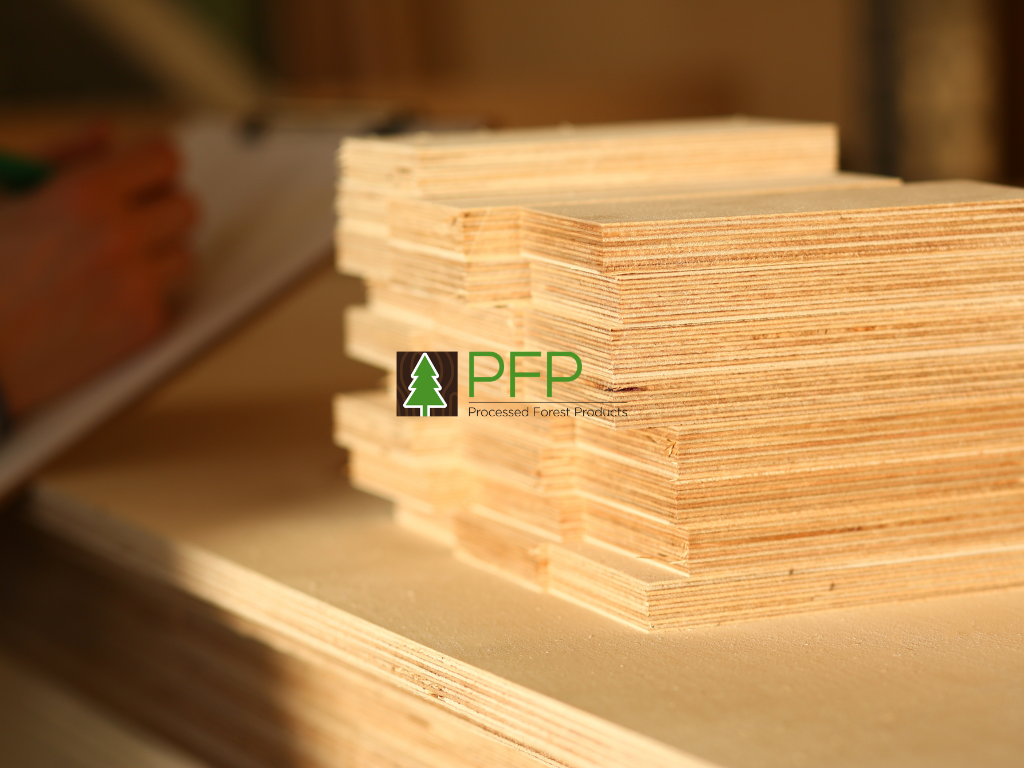
Choosing the right supplier can save time, reduce mistakes, and improve the final result. The best supplier for one project may not be the best supplier for another, so it helps to compare based on practical needs.
Think about whether you need standard panels, custom pressing, matching support, samples, fire-rated options, sustainability documentation, or advice for a specific application.
Compare Product Range, Samples, Advice, and Custom Options
A good supplier should be able to help you compare veneer species, panel sizes, substrates, finishes, and availability. They should also be able to explain how the veneer may look once finished and whether it suits the intended use.
Samples are important. A small sample can help you compare colour, grain, and finish before committing to a larger order. For bigger projects, you may also need to discuss veneer matching, batch consistency, and how panels will be laid out across the space.
If you are comparing timber veneer suppliers, ask whether they can provide wood veneer supplies for both small and larger projects. Also ask whether they work with cabinetmakers, builders, architects, designers, or manufacturers.
Where Forest Products May Be Useful
Forest Products may be useful to contact when you are comparing timber veneer panels, wood veneer supplies, timber wood panel options, or project-specific veneer needs.
For example, if you need american oak veneer, sustainable veneers, or a panel option for a commercial interior, it may be worth asking what products are available and what documentation can be provided. Product availability, lead times, fire rating, sustainability claims, and substrate options should be confirmed directly before ordering.
This is especially helpful when you are choosing materials for joinery, wall linings, furniture, hospitality interiors, office fit-outs, or other design-led spaces.
When to Contact the Company Before Ordering
It is best to contact the supplier before ordering if the project has specific design, performance, or timing requirements. Veneer is not always a simple off-the-shelf purchase, especially when appearance and consistency matter.
Early contact can help avoid ordering the wrong species, wrong substrate, wrong finish, or wrong quantity.
Custom Sizes, Matching, Lead Times, and Commercial Requirements
Contact the company before ordering if you need custom panel sizes, specific grain direction, veneer matching, a fire rated board, or sustainable documentation.
You should also speak with the supplier if the project has a tight deadline. Some veneer species or panel options may need extra time, especially if they require custom pressing, special sourcing, or project-specific documentation.
For commercial projects, contact the supplier early if the material must meet fire, acoustic, durability, emissions, or certification requirements. These details may affect both product choice and approval.
Questions to Ask Before Confirming the Order
Before confirming the order, ask which veneer species best suits the project and whether samples are available. Ask what substrate is recommended and why. Ask whether the panel can be supplied in the size, thickness, and finish required.
It is also worth asking how the panels should be stored before installation. Veneered products can be affected by site conditions, handling, moisture, and poor storage. The supplier should provide guidance for handling and care.
If the project needs documentation, ask for product data sheets, fire test information, sustainability details, or certification before final approval.
Final Checks Before Approving Veneer Materials

Before approving veneer materials, review both the design and the practical requirements. The best choice should look good, suit the application, and meet any project-specific performance needs.
This final check can help prevent costly changes after ordering.
Review Appearance, Performance, and Installation Needs
Start by reviewing physical samples. Check colour, grain, texture, and how the veneer looks with other finishes in the space. If possible, view the sample under the lighting that will be used in the finished room.
Then check the technical details. Confirm the substrate, thickness, panel size, finish requirements, edge treatment, fixing method, and care instructions. If the project needs fire performance, sustainability documentation, or other technical evidence, confirm this before signing off.
Also think about installation. A beautiful veneer can still disappoint if panels are poorly matched, stored incorrectly, or installed without regard for grain direction.
Plan Internal Links and Next Steps
A helpful website page on this topic could link to related pages about timber veneer panels, american oak veneer, sustainable veneers, fire rated board, timber wood panel options, samples, project enquiries, and contact details.
The next step is to speak with a supplier and share your project type, drawings if available, preferred species, required substrate, finish expectations, delivery timing, and any compliance needs.
Good veneer selection is not just about choosing a timber look. It is about matching the right material, panel, supplier, and documentation to the project. When those details are handled early, the final result is easier to plan and more likely to meet the design intent.