Choosing the right materials is an important part of planning a commercial interior. Architects, designers and fit-out contractors need finishes that suit the design brief while meeting practical performance and project requirements. sustainable veneers can provide the natural appearance of timber for reception areas, offices, meeting rooms and custom joinery, with responsible sourcing information helping guide material selection.
Timber veneer is a thin layer of real wood applied to a suitable substrate, such as MDF, particleboard or plywood. It allows natural timber grain to be incorporated into decorative panels, cabinetry and furniture without constructing every component entirely from solid timber.
However, selecting veneer for a commercial project involves more than choosing an attractive timber species. Product documentation, substrate construction, surface finishes, durability and installation conditions all need consideration.
This guide explains how to compare timber veneer products and identify suitable options for Australian commercial interiors.
Why Choose Sustainable Veneers for Commercial Interiors?
How Sustainable Veneers Support Workplace Design
Natural timber finishes can introduce warmth, texture and visual interest into commercial spaces.
Sustainable veneers are worth considering when designers want a timber appearance together with credible information about responsible material sourcing.
Veneer sheets can be applied to appropriate panels, allowing designers to create coordinated surfaces across different joinery components.
Unlike printed wood-look finishes, natural wood veneers display genuine timber grain and variation.
This can be useful when creating a distinctive reception area or maintaining a consistent material palette throughout an office.
However, a timber product should not be described as environmentally sustainable solely because it uses a natural material.
Responsible sourcing claims should be supported by suitable documentation, and the complete panel construction should be considered.
Where Timber Veneers Work Best in Commercial Fit-Outs
Timber veneers are commonly considered for reception counters, decorative wall panels, office cabinetry, meeting tables and custom furniture.
Each application has different requirements.
A reception desk may experience frequent contact, while a decorative feature wall may receive relatively little physical wear.
Meeting room furniture needs a surface finish suitable for regular use and cleaning.
Commercial joinery may also require particular edge details, hardware arrangements and substrate characteristics.
Before selecting sustainable veneers, designers should consider how the finished surface will be used and maintained.
A product suitable for cabinetry should not automatically be assumed appropriate for wall or ceiling lining applications, which may involve separate technical requirements.
What Makes a Timber Veneer Responsibly Sourced?
Understanding FSC Certified Veneer and Timber Traceability
Responsible timber sourcing is an important consideration when selecting decorative materials.
An FSC certified veneer may be relevant for a project requiring products supported by Forest Stewardship Council certification.
FSC chain-of-custody certification helps establish how eligible forest-based materials are tracked through participating businesses in the supply chain.
PEFC and Responsible Wood are also relevant certification systems in the Australian timber industry.
However, not every product supplied by a certified business is necessarily certified.
Buyers should confirm the status of the specific material being ordered.
This may involve checking certification records, product scope and applicable claims on sales documentation.
For commercial projects, accurate records can help procurement teams demonstrate that selected materials meet the sourcing requirements established in the design brief.
Assessing Environmental Claims Before Selecting Panels
The term sustainable veneer can describe several different environmental considerations.
Responsible forest sourcing, efficient material use, recycled content and lower-emission construction are related concepts, but they are not interchangeable.
For example, a responsibly sourced timber veneer may be applied to a substrate with separate manufacturing and emissions characteristics.
Adhesives and surface coatings can also influence the finished panel’s environmental profile.
Architects should therefore consider the complete product rather than the decorative veneer alone.
Where environmental claims are important, request supporting documentation that identifies what has been assessed.
This may include sourcing records, relevant environmental declarations and technical information about the panel components.
Sustainable veneers should be compared using verified product information rather than broad claims that one material is automatically better for the environment.
Which Timber Veneer Types Suit Commercial Design?
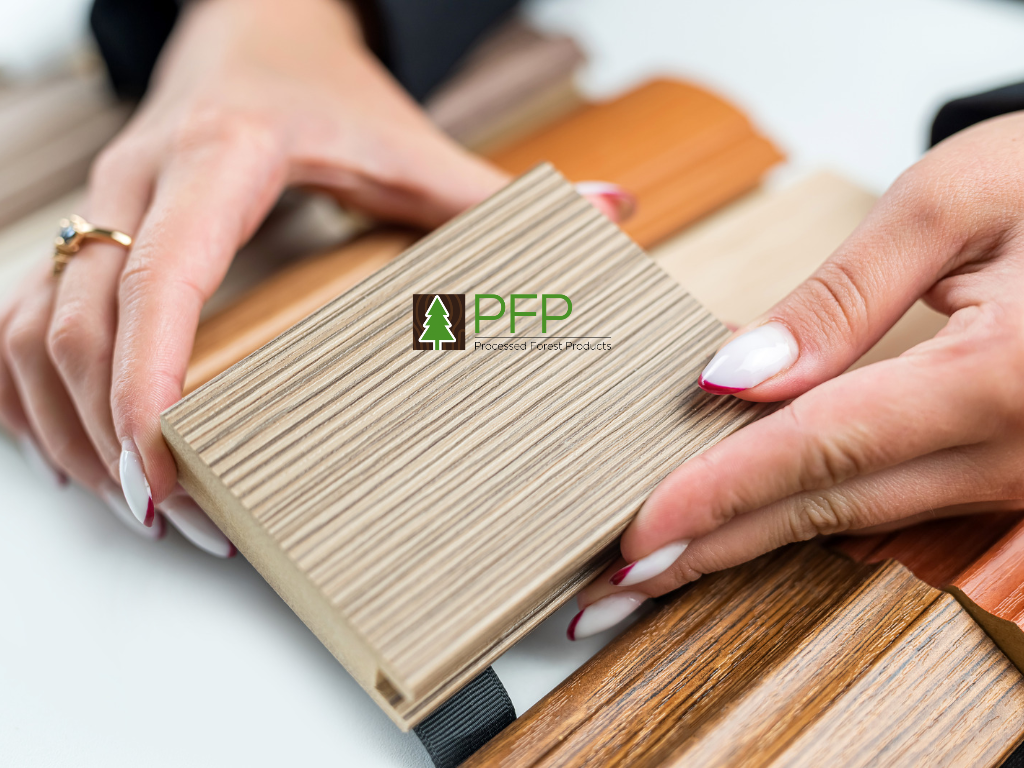
Comparing American Oak Veneer With Other Timber Species
Different timber species create different visual effects.
American oak veneer is often considered for interiors requiring a recognisable grain pattern and a natural timber appearance.
Its final colour can vary depending on the veneer selection, staining and surface finish.
Other options include walnut, ash, European oak and various Australian timber species.
Walnut may suit a darker interior palette, while lighter-toned veneers can complement contemporary office designs.
Natural colour and grain variation should be expected because timber is not a completely uniform material.
Designers should compare physical samples under lighting conditions similar to those in the proposed interior.
Availability, matching requirements and the intended application should also influence the final selection.
Using Wood Veneer Design to Coordinate Interior Features
Wood veneer design involves more than choosing a species.
The way individual veneer leaves are arranged can influence the overall appearance of a panel.
Book matching creates a mirrored grain arrangement, while slip matching places veneer leaves alongside each other in the same orientation.
These approaches can produce noticeably different visual results.
For reception counters, meeting room tables and feature walls, grain direction may be especially important.
Designers should communicate their intended matching pattern before fabrication begins.
Sustainable veneers can support coordinated interiors when veneer sequence, panel orientation and finish selection are carefully planned.
Approved samples and clear fabrication drawings help align expectations between designers, suppliers and joiners.
What Technical Specifications Matter for Commercial Veneer Panels?
Selecting Substrates, Adhesives and Low-Emission Products
Timber veneer is commonly bonded to engineered wood substrates.
MDF, particleboard and plywood are used in different applications because they offer different construction characteristics.
The appropriate substrate depends on panel dimensions, fabrication requirements, moisture exposure and intended use.
Adhesives and finishing systems also form part of the finished product.
For indoor applications, project teams may need information about formaldehyde emissions or other relevant material emissions.
Classifications such as E0 and E1 may appear in engineered wood product documentation, but their meaning must be understood in relation to the applicable standard and test method.
The presence of sustainable veneers on a panel does not establish its emissions performance.
Architects and joiners should request product specifications that cover the complete panel construction.
Checking Fire Performance for Wall and Ceiling Applications
Fire performance is particularly important when timber-veneered products are proposed for commercial wall or ceiling linings.
The National Construction Code includes requirements for the fire hazard properties of these lining systems.
The applicable requirements depend on factors such as building classification, location and the presence of suitable sprinkler systems.
A finished lining system may need evidence supporting its group classification and relevant smoke performance.
The veneer species, substrate, adhesives, coatings and installation arrangement can affect whether particular evidence applies.
Designers should not assume that a decorative timber panel is suitable for every commercial application.
Before specifying sustainable veneers for regulated wall or ceiling areas, obtain appropriate technical evidence and confirm its relevance with the project’s qualified design or building compliance professionals.
How Can Timber Veneer Finishes Withstand Everyday Use?
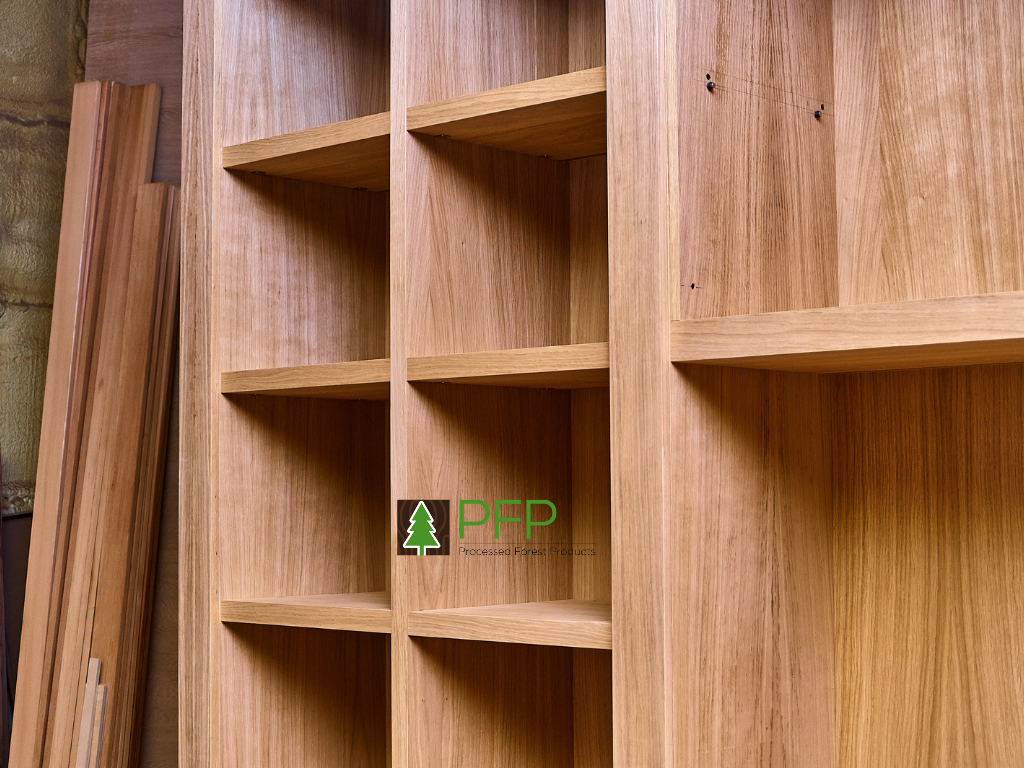
Choosing Finishes for Busy Commercial Environments
The surface finish plays an important role in the appearance and durability of timber-veneered joinery.
Commercial spaces can expose materials to regular handling, cleaning, accidental impacts and moisture.
A desk surface may therefore need a different finish from a decorative wall panel.
Depending on the product, finishing options may offer different levels of resistance to scratching, staining and everyday wear.
However, performance should be assessed against the actual coating specification rather than assumptions about a finish category.
Designers should also consider whether the surface is likely to receive direct sunlight or frequent cleaning.
Selecting suitable finishes can help sustainable veneers remain practical for their intended use while maintaining the desired timber appearance.
Caring for Sustainable Veneers in High-Use Areas
Routine maintenance is important for preserving timber-veneered surfaces.
Most finished veneer products benefit from gentle cleaning using methods recommended by the manufacturer.
Abrasive materials and unsuitable cleaning chemicals may damage certain coatings.
Standing water should be removed promptly, especially near panel joints, edges and exposed substrate areas.
For commercial furniture and cabinetry, staff should understand any limitations associated with the selected finish.
If a surface becomes scratched or damaged, repair options depend on the veneer thickness, coating and condition of the underlying panel.
Some minor finish defects may be repairable, while more substantial damage may require specialist attention or replacement.
Maintenance requirements should be considered before selecting sustainable veneers, particularly in heavily used reception and workplace areas.
How Do You Choose the Right Veneer Supplier and Product?
Comparing Sustainable Veneers for Different Project Requirements
Choosing a timber veneer supplier begins with establishing the requirements of the project.
The preferred timber species, veneer matching pattern, panel dimensions and intended finish should be identified before ordering.
For commercial applications, technical specifications may also need to address substrate type, emissions information and fire performance.
Physical samples are useful for comparing colour, grain and surface appearance.
It is equally important to confirm product availability and whether consistent veneer matching can be achieved across the required quantities.
Processed Forest Products supplies natural and reconstituted timber veneers, along with board products and related manufacturing services.
Architects, designers and joiners can enquire about available species, panel options and suitability for particular joinery applications.
When evaluating sustainable veneers, material selection should be based on documented properties and project requirements rather than appearance alone.
Questions to Ask Before Ordering Timber Veneer Panels
A clear product enquiry helps avoid uncertainty during procurement and fabrication.
Confirm the veneer species, sheet dimensions, substrate requirements and proposed finishing arrangements.
Where the design requires matching grain across several panels, discuss the available veneer sequence and layout options.
Ask whether suitable product samples and technical sheets can be provided.
If FSC or PEFC sourcing is specified, request current certification evidence and confirmation that the exact product and transaction qualify for the intended claim.
For wall or ceiling applications, ask about applicable fire-performance evidence for the proposed construction.
Project teams should also confirm delivery arrangements, lead times and any limitations affecting fabrication.
These details help buyers compare suppliers on product suitability, documentation and service rather than price alone.
How Can Sustainable Veneers Be Planned Into a Commercial Fit-Out?
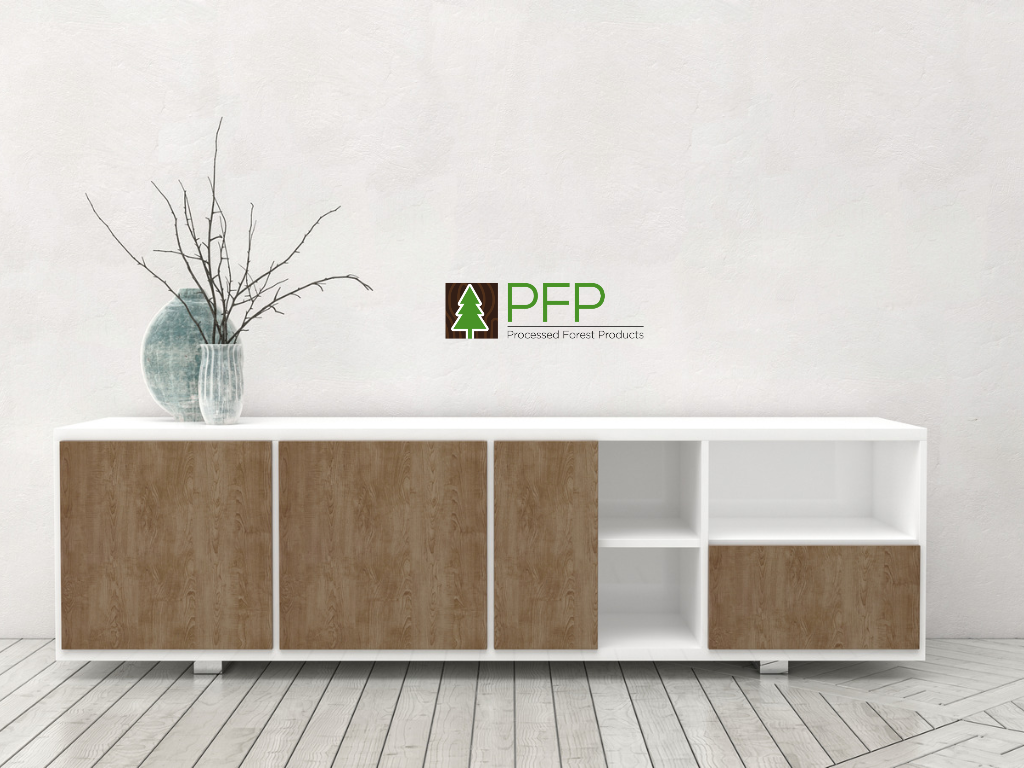
Coordinating Material Selection With Joinery and Installation
Successful commercial joinery requires coordination between the design team, supplier, fabricator and installer.
Timber veneer selection should be considered before finalising panel dimensions and detailed fabrication requirements.
This allows grain direction, veneer matching, joints and edge treatments to be planned together.
Installation conditions also matter.
Panels should be handled, stored and installed according to the relevant manufacturer’s instructions.
Moisture exposure, temperature changes, substrate preparation and fixing methods may affect the performance of the finished installation.
For Sydney commercial projects, confirming material availability and delivery requirements early can help coordinate procurement with construction schedules.
Sustainable veneers are more likely to meet design expectations when decisions about appearance, fabrication and installation are resolved before work begins.
Preparing Clear Material Specifications for Commercial Projects
A useful veneer specification should identify the actual material being supplied.
This includes the timber species, veneer appearance, substrate, panel dimensions and surface finish.
Where relevant, it should also document veneer matching arrangements, responsible sourcing requirements and technical performance evidence.
For applications requiring particular fire or emissions properties, the specification should refer to appropriate supporting documentation.
Approved samples can help establish the expected appearance before fabrication.
Clear communication also helps avoid inconsistencies when several joinery elements are manufactured for the same project.
For architects, designers and joiners reviewing their options, Processed Forest Products can be contacted to discuss available timber veneers, board products and relevant manufacturing requirements.
Choosing sustainable veneers for commercial interiors involves balancing natural timber appearance with practical performance and substantiated sourcing information.
By reviewing product specifications, coordinating material selection and confirming the required technical evidence, commercial project teams can make better-informed decisions about decorative timber finishes.