Timber veneer can bring natural grain, warmth and visual detail to cabinetry, furniture, doors and decorative interior panels. However, selecting a veneer involves more than choosing a timber colour from a small sample.
The final appearance can change according to the timber species, how the log is cut, how individual veneer leaves are arranged and which finish is applied. The substrate, panel thickness, edge treatment and grain direction can also affect how well the finished product suits the project.
For people comparing timber veneer suppliers, it helps to prepare a clear specification before requesting a quotation. This reduces misunderstandings and makes it easier to compare panels that are genuinely similar.
This guide explains how to choose timber veneer for residential and commercial interiors, what details to confirm with a supplier and how to avoid common specification problems.
Understand What Timber Veneer Is
Timber veneer is made from thin leaves of real wood. These leaves are usually joined and pressed onto a suitable panel substrate to create a stable decorative surface.
The finished timber panels may be used for kitchen cabinetry, wardrobes, furniture, doors, wall linings, reception counters, shopfitting and other interior joinery.
Because the visible face is genuine timber, the grain and colour retain natural variation. This is different from a printed wood-look surface that repeats a manufactured pattern.
The Timber Veneer Association of Australia describes veneer as thin slices of timber and provides specification guidance covering panel terminology, matching, substrates and finishes.
A buyer should therefore assess both the decorative veneer and the full panel construction. Two products using the same timber species may perform and look different when they use different substrates, panel thicknesses or manufacturing methods.
Why veneer appearance varies
Timber is a natural material, so colour and grain can vary within the same species and even within veneer leaves taken from the same log.
The cutting method also changes the pattern. One cut may produce broad, flowing grain, while another creates a straighter and more even appearance.
Matching adds another layer of variation. Veneer leaves can be arranged symmetrically, placed in sequence or combined more randomly depending on the required design.
Finishing may deepen the colour, increase contrast or change how the grain appears under different lighting. This is why a small unfinished sample may not show exactly how a completed wall or bank of cabinetry will look.
Representative samples and larger layups are useful when appearance is important. For feature joinery, reception areas and large wall panels, the buyer should confirm how natural variation will be handled across the full project.
Start with the Intended Application
The right timber wood panel depends on where it will be installed and what it needs to do.
Cabinet doors require a different specification from a decorative wall panel. Furniture components may need suitable thickness and edge treatment, while large commercial panels may need careful planning for joints, grain direction and fixing methods.
Kitchen and bathroom joinery may also be exposed to more frequent cleaning and occasional moisture than furniture in a low-use room. The veneer, substrate and finish should therefore be selected as a complete system.
For commercial interiors, the project may include reception counters, office joinery, retail displays or hospitality furniture. These applications can experience regular contact, cleaning and changes in lighting throughout the day.
The supplier or fabricator should be told exactly how the panel will be used. A general request for timber veneer is not enough to confirm that the proposed product is suitable.
Consider use, wear and environmental conditions
Timber veneer is primarily an interior decorative material unless a product has been specifically designed and documented for another use.
The project team should consider exposure to direct sunlight, heat, moisture, cleaning products and daily contact. A highly visible reception counter, for example, may need a different finish strategy from a ceiling panel that is rarely touched.
Sunlight can affect the colour of natural timber over time. The amount of change depends on the species, finish and exposure, so exact colour stability should not be assumed.
Moisture is another important consideration. The decorative face, substrate, edges, joints and penetrations all influence how the completed panel responds to its environment.
If a product is intended for an unusual or demanding location, its suitability should be confirmed with the timber veneer manufacturer or supplier and documented for the project.
Choose the Timber Species and Veneer Cut
Compare colour and grain character
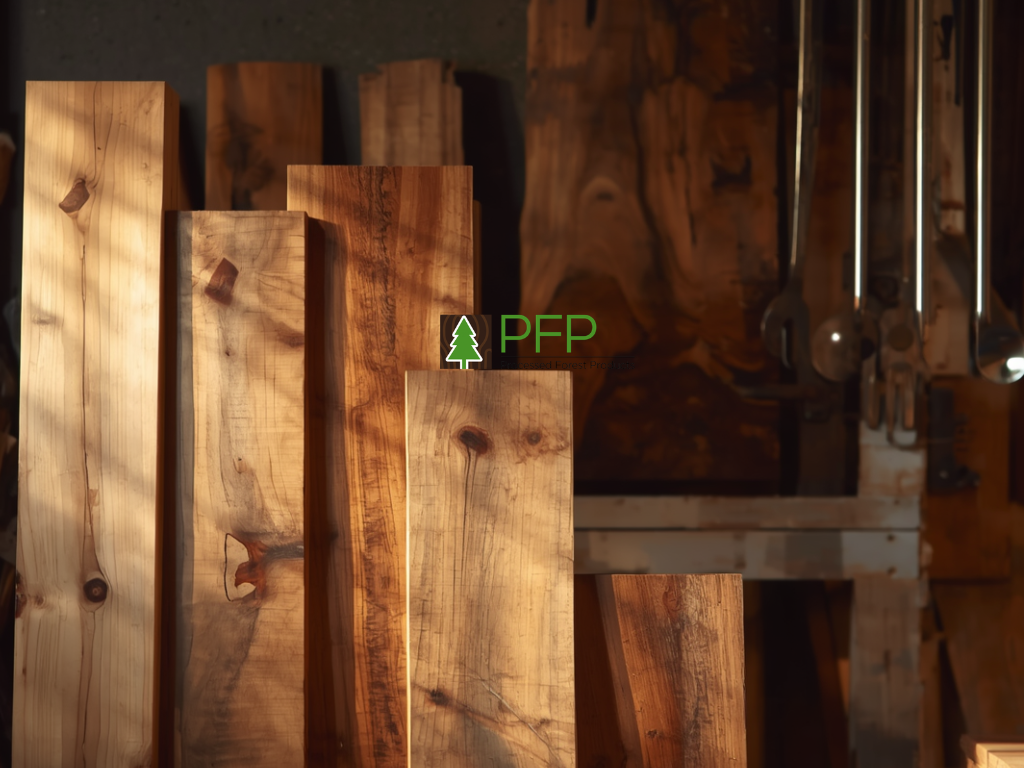
Species selection influences the overall mood of the interior.
Paler veneers can support light, calm spaces, while darker timbers may create stronger contrast and a more formal appearance. Warm reddish tones, golden tones and cooler brown shades can also interact differently with flooring, paint, stone and metal finishes.
Grain scale matters as much as colour. A large flowing grain may suit broad doors or wall panels, while a finer and more consistent pattern may work better across detailed cabinetry.
Australian and imported species can both be used in interior veneer projects, depending on availability, design intent and supplier range.
Current interior design interest in natural materials, visible craftsmanship and richer timber surfaces has increased attention on expressive wood grains and individual character.
However, trend relevance should not replace practical selection. The timber should suit the project, surrounding materials and long-term design rather than being chosen only because it is currently popular.
Understand how the veneer cut changes the pattern
The same timber species can look very different depending on how the veneer is cut from the log.
Crown-cut veneer usually creates a broader, flowing grain pattern. It is commonly chosen when the designer wants visible movement and a recognisable natural timber appearance.
Quarter-cut veneer generally produces straighter grain. It can create a more controlled and linear look across doors, furniture and commercial joinery.
Rotary-cut veneer is peeled from the log in a continuous sheet. It often produces a wider, more varied pattern and may be used where larger sheet coverage or a particular visual effect is required.
These descriptions are general because the result also depends on the species and individual log. The buyer should review actual samples rather than selecting a cut based only on its name.
Decide How the Veneer Should Be Matched
Matching describes how individual veneer leaves are arranged across a panel.
Book matching places alternating leaves like the pages of an open book. This creates a mirrored pattern and can produce a strong sense of symmetry.
Slip matching places leaves in the same direction next to one another. The grain repeats in sequence without the mirrored effect of book matching.
Random matching uses leaves in a less uniform arrangement. It can create a more natural and varied appearance, depending on the material and project.
The preferred method depends on the design. Symmetrical joinery may suit book matching, while a calmer linear scheme may benefit from slip matching. A more relaxed interior may use greater natural variation.
The Timber Veneer Association of Australia includes assembly and matching methods among the main details required when specifying veneer panels.
Plan grain direction across the project
Grain direction should be decided before panels are manufactured.
Vertical grain can make doors and wall panels feel taller, while horizontal grain may visually extend long cabinets or counters.
The important issue is consistency. Adjacent doors, drawer fronts and end panels should be planned together so the grain does not change unexpectedly between components.
Large feature walls require even more coordination. Panel joints, openings, corners and services can interrupt the grain pattern if they are not included in the original layout.
The drawings or order should clearly show the grain direction for each component. Written descriptions alone may not be enough for complex joinery.
When sequence matching is required, the supplier should confirm whether the selected veneer quantity and leaf dimensions can support the proposed layout.
Choose the Panel and Finish Specification
Select a suitable substrate and panel thickness
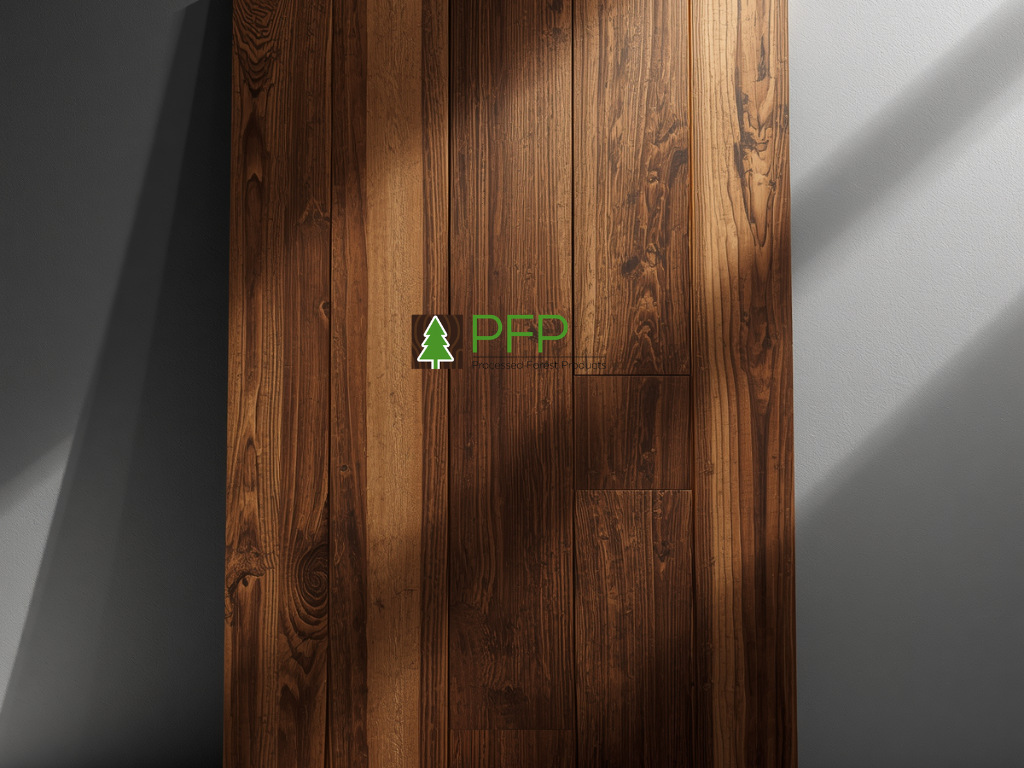
The decorative veneer is normally pressed onto a substrate that provides the main structure of the panel.
The substrate should be selected according to the application, panel size, machining, hardware, weight and environmental conditions. Different joinery and construction projects may require different panel products.
Panel thickness also affects rigidity, edge details, hinge selection and the way components meet surrounding materials.
Balancing the panel may be important. Applying veneer or another suitable material to the reverse face can help create a more balanced construction, depending on the product and manufacturing process.
These decisions should be confirmed with the panel producer, cabinetmaker or project designer rather than assumed from the appearance of the front face.
The commonly typed term timber pannel usually refers to the same product category, but quotations should use correct panel terminology and include the complete construction specification.
Choose a finish that supports the intended appearance
Finishing protects the veneer and influences colour, grain contrast and sheen.
A clear finish may retain the natural timber character, but it can still deepen or warm the colour. Staining can alter the appearance more strongly and may behave differently across natural grain.
Sheen also matters. Matt, satin and higher-sheen finishes reflect light differently and can change how visible grain, fingerprints and surface variation appear.
A finish sample should use the actual veneer where possible. A generic sample on another species may not accurately represent the final colour.
For larger projects, an approved control sample can help the supplier, joiner and client agree on appearance before full production begins.
The required durability and cleaning method should also be discussed. Product performance claims should be supported by supplier or manufacturer documentation.
Compare Timber Veneer Suppliers
Timber veneer suppliers may offer raw veneer leaves, pressed panels, finished panels or a combination of services.
Before ordering, confirm whether the supplier can provide the required species, cut, matching method, substrate and panel dimensions.
Ask whether samples are representative of current stock and whether larger samples or layups are available for projects where appearance is critical.
Manufacturing capability also matters. A supplier may provide veneer only, while another timber veneer manufacturer may press, match or finish complete panels.
The Timber Veneer Association of Australia lists manufacturers, panel producers, retailers and veneer suppliers across Australia, including businesses operating in NSW.
For a timber veneer Sydney or timber veneer NSW project, local stock, lead time and delivery capability may affect the final selection as much as the design itself.
Compare the full specification rather than price alone
A low panel price may not include the same construction, matching or finishing as another quotation.
Each quote should identify the veneer species, cut, grade or appearance expectations, matching method, substrate, thickness, panel size and finish.
Quantities and allowance for waste should also be clear. Veneer leaf size, grain direction and sequence requirements may affect how much material is needed.
Ask whether edging, balancing, pressing, sanding, finishing, delivery and protective packaging are included.
Lead times should be confirmed before the project program is finalised. Natural veneer availability can vary, especially when a project requires a large quantity with consistent appearance.
Comparing complete specifications makes it easier to judge value and reduces the risk of receiving panels that look different from the approved design.
When to Contact Forest Products
Seek advice before finalising the specification
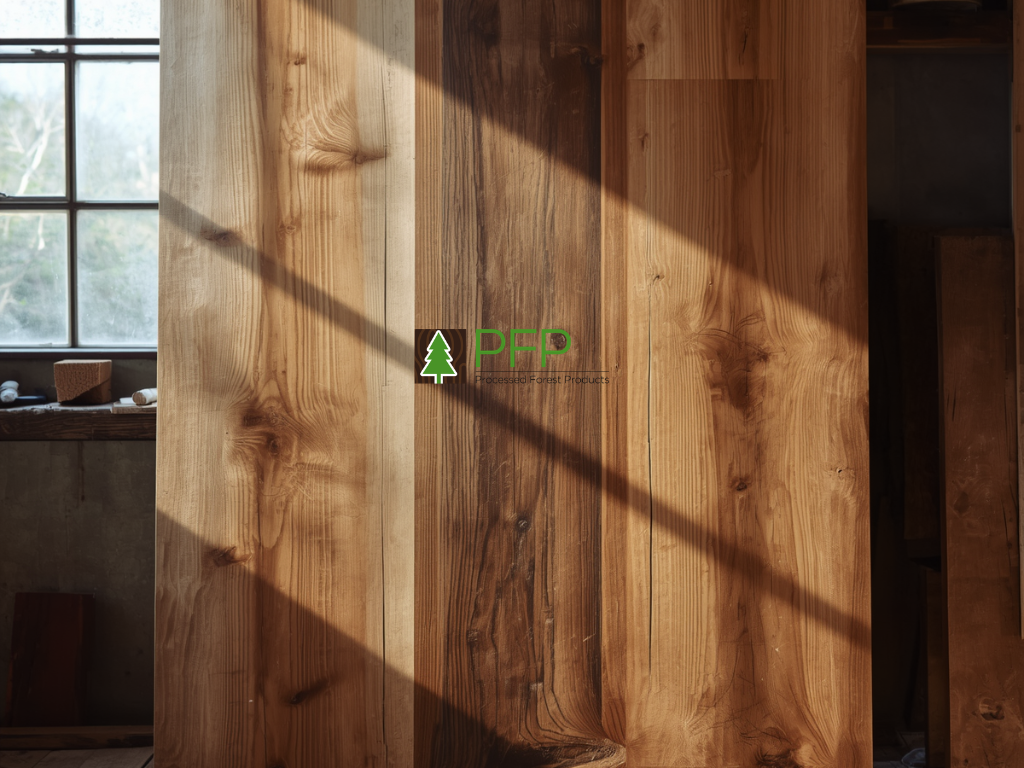
Forest Products can be contacted when a designer, cabinetmaker, builder or property owner needs help selecting timber veneer or decorative timber panels for an interior project.
Supplier advice is particularly useful when the project requires coordinated grain, large feature panels, specific substrates or consistent appearance across several joinery components.
The discussion should focus on the intended application, panel construction and visual result rather than simply asking for the cheapest veneer in a preferred colour.
Early advice may also help identify whether the selected species, cut and matching method are available in the quantities required.
The final selection should still be reviewed through physical samples and written specifications.
Prepare project details before requesting a quote
Before requesting pricing, prepare the approximate panel dimensions, quantities and intended application.
Explain whether the panels will be used for doors, cabinetry, furniture, wall linings or commercial joinery. Include the preferred grain direction and any matching requirements.
Identify the proposed substrate, thickness and finish if these have already been specified. Where they are not yet decided, ask the supplier what information is needed to recommend suitable options.
Provide the delivery location and required project timing, particularly for timber veneer Sydney or broader NSW work.
Images, drawings and finish references can also help clarify the intended result.
By confirming the species, veneer cut, matching, substrate and finish before production, buyers can compare timber veneer products more accurately and achieve a result that suits both the design and the practical needs of the project.