Choosing timber veneer suppliers is an important decision for architects, designers, builders, joiners and cabinet makers. Timber veneer can create a warm, natural and refined finish across cabinetry, wall panels, doors, furniture, reception areas and commercial interiors.
The right supplier can help you choose a veneer that suits the design intent, budget, application and project timeline. The wrong choice can create problems with colour variation, grain matching, lead times, substrate suitability or finishing expectations.
For Sydney and NSW projects, timber veneer is often used where natural timber appearance is wanted, but solid timber may not be practical for every surface. This guide explains what to consider before choosing a supplier, ordering timber panels or comparing timber veneer manufacturer options.
What timber veneer is and where it is commonly used
Timber veneer is a thin layer of real timber that is usually bonded to a board substrate such as MDF, particleboard or plywood. The Timber Veneer Association of Australia describes timber veneer as thin slices of timber glued onto board, particle board or fibreboard, and notes that it is an efficient way to use valuable timbers.
This makes timber veneer useful for many interior applications. It is commonly used on cabinetry, wall linings, doors, joinery, furniture, acoustic panels, reception desks, boardroom tables and feature areas.
The appeal comes from the natural grain, colour and character of timber. Depending on the species and cut, timber veneer can look calm and consistent, bold and decorative, or highly detailed.
Why veneer is different from solid timber
Timber veneer is different from solid timber because it uses a thin decorative timber surface over a stable panel base. Solid timber is made from full pieces of timber, while veneer allows the appearance of timber to be applied across larger and more consistent surfaces.
This can be useful for joinery and interior panels because large solid timber sections may move, expand or contract differently depending on moisture, temperature and conditions. Veneered timber panels can offer a practical way to achieve a timber look across broad surfaces, but the final performance depends on the veneer, substrate, adhesive, finishing and installation method.
Why Supplier Choice Matters
How quality, consistency and substrate selection affect the result
Supplier choice matters because timber veneer is a natural material. Colour, grain, figure and pattern can vary between logs, species and batches. A reliable supplier should help explain these variations before the material is ordered.
Consistency is especially important when veneer is used across large joinery runs, wall panels or commercial interiors. If panels need to match, the supplier may need to discuss veneer matching, grain direction and sheet availability early in the project.
Substrate selection also matters. A timber wood panel used for cabinetry may need a different substrate from a wall panel, door face or furniture component. If the wrong substrate is chosen, the panel may not suit the intended use.
Why project support matters for designers, builders and joiners
A timber veneer supplier does more than provide sheets. For many projects, supplier support can help reduce confusion during specification, quoting and production.
Architects and designers may need samples, species guidance, finish advice and documentation. Builders may need lead time information and delivery planning. Joiners may need sheet sizes, matching details, substrate options and practical handling guidance.
This is why timber veneer suppliers should be compared on service as well as product range. A broad range is useful, but clear communication and reliable project support are just as important.
Common Timber Veneer and Panel Options
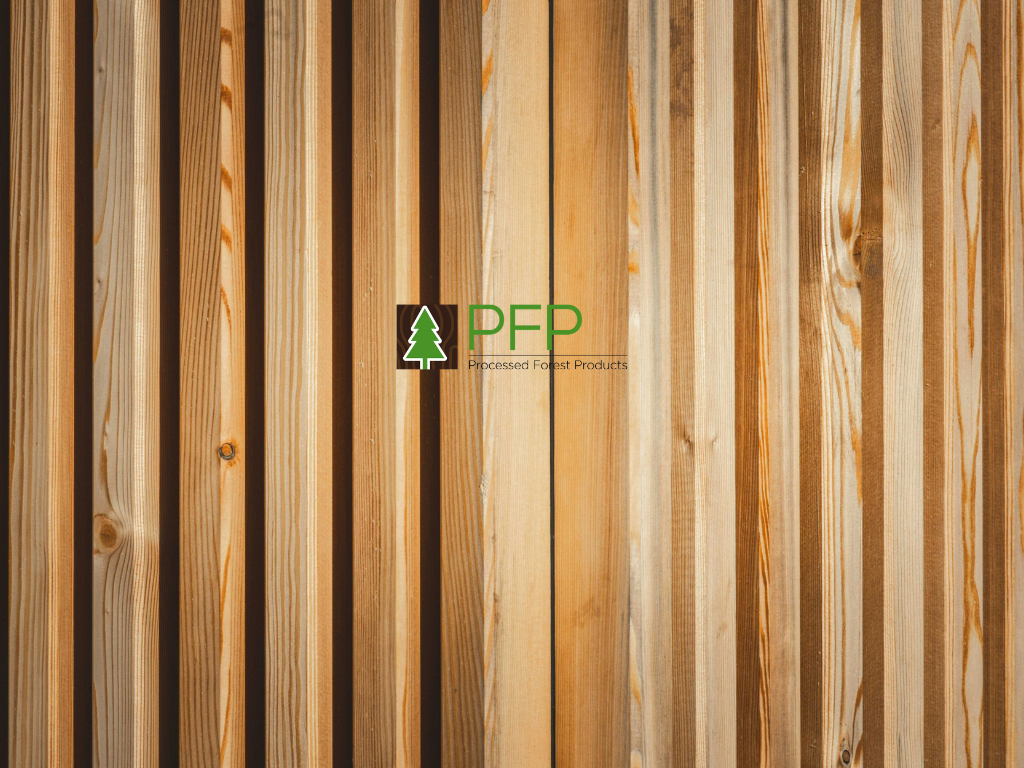
Natural veneer, engineered veneer and decorative timber panels
Natural timber veneer is cut from real timber and shows the natural variation of the tree. This can create unique and premium finishes, especially when the design calls for warmth, character and grain detail.
Engineered veneer is made to provide more consistent colour and grain. It can be useful when a project needs a more controlled appearance across multiple panels. Some suppliers also offer decorative timber panels, sculpted panels or textured timber surfaces for architectural interiors. For example, Australian veneer suppliers advertise natural wood veneers, dyed veneers, engineered veneer panels, sculpted panels and FSC-certified project-ready surfaces.
The right option depends on whether the project needs natural variation, design consistency, a specific species look or a more decorative panel surface.
Timber wood panel uses in joinery, walls, doors and furniture
Timber panels are widely used because they can bring warmth and visual depth into interior spaces. A timber wood panel may be selected for kitchen joinery, retail counters, hotel walls, office fit-outs, boardrooms, wardrobes, doors or custom furniture.
In residential projects, timber veneer can help create a refined look for kitchens, wardrobes and feature walls. In commercial projects, timberwood panels may help create consistency across larger spaces such as reception areas, meeting rooms and hospitality interiors.
Before ordering, it is important to confirm where the panel will be installed, how it will be finished and how much wear it may receive. A vertical wall panel may have different performance needs from a benchtop-adjacent surface or high-use cabinet front.
What to Consider Before Ordering
Species, grain, colour, matching and finish requirements
The first step is to choose the species and appearance. Some projects need a light and clean timber look, while others need a darker, richer or more decorative finish. Popular design choices often include oaks, walnuts, ashes and other species, but availability can vary by supplier and batch.
Grain direction should be considered early. Vertical grain may suit tall wall panels or cabinet fronts, while horizontal grain may suit long joinery runs. Matching style is also important. Book matching, slip matching or random matching can create different visual effects, and the best choice depends on the design intent.
Finish requirements should also be discussed before ordering. The finish can affect the final colour, sheen, durability and maintenance needs.
Lead times, quantities, samples and project documentation
Lead time can be one of the biggest practical issues when ordering timber veneer NSW projects. Some products may be in stock, while others may need to be sourced, pressed, matched or manufactured for the project.
Samples are useful, but they should be treated as a guide rather than an exact guarantee. Because timber is natural, the final panels may vary from a small sample. If close matching is critical, ask the supplier how selection and approval can be managed.
Quantities should also be reviewed carefully. Ordering too little can create matching problems later if additional panels come from a different batch. Ordering too much can increase cost and waste.
How to Choose the Right Supplier or Manufacturer
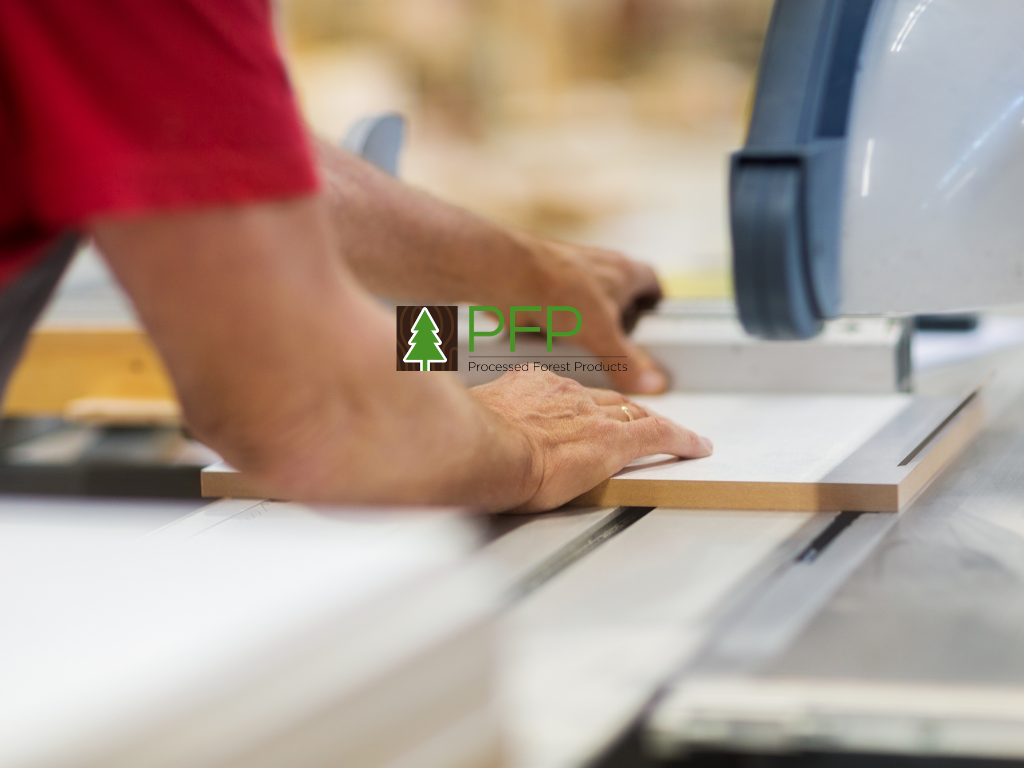
What to ask timber veneer suppliers before buying
Before choosing timber veneer suppliers, ask whether they can provide samples, technical information, substrate options, lead time guidance and support for your type of project. It is also useful to ask whether they supply raw veneer, pressed panels, finished panels or custom timber panels.
If the project is in Sydney or NSW, ask about delivery, availability and how the supplier manages urgent orders or staged supply. For joinery and fit-out projects, timing can affect the whole construction program.
You should also ask how veneer matching is handled, what sheet sizes are available and whether the supplier can support the chosen finish. A clear supplier should be able to explain product limitations as well as product benefits.
How to compare experience, range, service and reliability
A reliable supplier should have a suitable product range, clear communication and experience with project-based supply. Some Australian companies position themselves as timber veneer manufacturers for architectural specification and decorative wood panels, while others focus on timber veneer, plywood, MDF and cut-to-size panel supply.
When comparing suppliers, look at whether they understand the needs of architects, designers, builders and joiners. A supplier that can help with species selection, substrate advice, samples and project timing can make the process easier.
Price matters, but it should not be the only factor. If a cheaper product does not match the design intent, has unclear lead times or lacks support, it may create more problems during production.
When to Contact Forest Products
When project advice or product selection support is useful
Forest Products can be mentioned naturally when a project team needs help comparing timber veneer, timber panels or timber wood panel options for a specific application.
This support may be useful when you are choosing veneer for cabinetry, feature walls, doors, furniture or commercial interiors. It can also help when you are unsure about species, grain direction, panel substrate, availability or project suitability.
A good supplier conversation should begin with the project use. The supplier should ask where the panels will be installed, what look is required, what quantity is needed and whether timing, matching or finishing is critical.
How a supplier can help with practical panel decisions
A supplier can help narrow down options based on appearance, application, budget and availability. For example, if a designer wants a consistent finish across a large wall, the supplier may suggest discussing engineered veneer or matching options. If a joiner needs panels for cabinetry, the conversation may focus on substrate, sheet size and finishing.
This guidance matters because timber veneer is not a one-size-fits-all product. The best option for a decorative feature wall may not be the best option for high-use cabinetry or a large commercial fit-out.
Planning for Installation, Care and Long-Term Performance
Why handling, storage and finishing should be planned early
Timber veneer panels should be handled carefully before installation. Storage conditions, site moisture, transport, finishing and installation methods can all affect the final result.
Finishing should also be planned early. The chosen coating can influence the final colour and appearance of the veneer. It can also affect cleaning and maintenance. For this reason, finish samples should be reviewed before committing to a full project order.
Internal linking opportunities and next steps
This article can naturally link to related pages such as timber veneer, timber veneer Sydney, timber veneer NSW, timber panels, timber wood panel, plywood, MDF panels, architectural panels and decorative timber surfaces.
The next step is to define the project use, preferred appearance, panel size, quantity, lead time and finish expectations. Once these details are clear, it becomes easier to compare timber veneer suppliers and choose a product that suits the project.
A well-chosen veneer supplier should help you understand the material, avoid avoidable specification issues and select timber panels that support the design intent and practical needs of the project.