Choosing the right wood veneer suppliers can make a big difference to the final look of your project. Veneer is often used where people can see and touch the finished surface, such as kitchen joinery, wall panels, doors, furniture, reception counters, office interiors, and retail displays.
Because veneer is a natural material, grain, colour, texture, and sheet matching all matter. Two sheets may come from the same timber species but still look different. This is part of the beauty of timber, but it also means you need the right advice before ordering.
A good supplier can help you understand what will work for your design. For example, a warm oak veneer may suit a calm residential kitchen, while a darker walnut veneer may suit a luxury office or hospitality space. Australian species can also support projects that want a local timber character. Availability will depend on stock, supplier range, and project needs.
A Supplier Should Support the Whole Project
A supplier should do more than sell a sheet. They should help you choose the right veneer for the surface, design style, budget, and lead time. This matters because veneer projects often involve several people, including architects, interior designers, builders, joiners, cabinetmakers, and clients.
Good support may include samples, product details, grain advice, substrate options, delivery guidance, and clear communication about availability. This can help reduce delays and avoid confusion during approvals.
For example, if a designer specifies a veneer without checking stock, the joiner may later find that the product is unavailable or has a long lead time. If samples are not reviewed early, the client may be surprised by the natural colour or grain variation. These issues can often be avoided with early supplier advice.
Understand the Type of Veneer Your Project Needs
Match the Veneer to the Application
Different projects need different veneer products. A kitchen cabinet door may need a durable finished surface that can handle daily use. A feature wall may need strong visual consistency across large panels. A commercial counter may need a practical finish that suits high-touch areas.
Before choosing veneer, think about where it will be used. Is it for vertical panels, doors, furniture, ceiling features, shelving, or joinery? Will it be in a home, office, shop, restaurant, hotel, school, or public space? Will it need to match other timber surfaces?
These questions help narrow your options. A veneer that looks beautiful on a small sample may not be the best choice for a large wall if the grain is too busy or hard to match. On the other hand, a more expressive veneer may be perfect for a feature piece.
Consider Species, Grain, and Finish
wood veneer design is about more than choosing a timber species. The cut, grain direction, colour tone, finish, and panel layout all affect the final result.
Crown cut veneer usually shows a more flowing grain pattern. Quarter cut veneer often gives a straighter and more consistent look. Book matching can create mirrored patterns, while slip matching can create a more even repeated appearance. The right choice depends on the design goal.
Finish is also important. A clear finish can highlight natural colour and grain. A stain can shift the tone, but results may vary depending on species and surface preparation. Matte, satin, and gloss finishes can also change how the veneer looks under lighting.
For this reason, samples are important. Always review samples in the project setting when possible, especially under the lighting that will be used in the final space.
Compare timber veneer sheets Before You Order
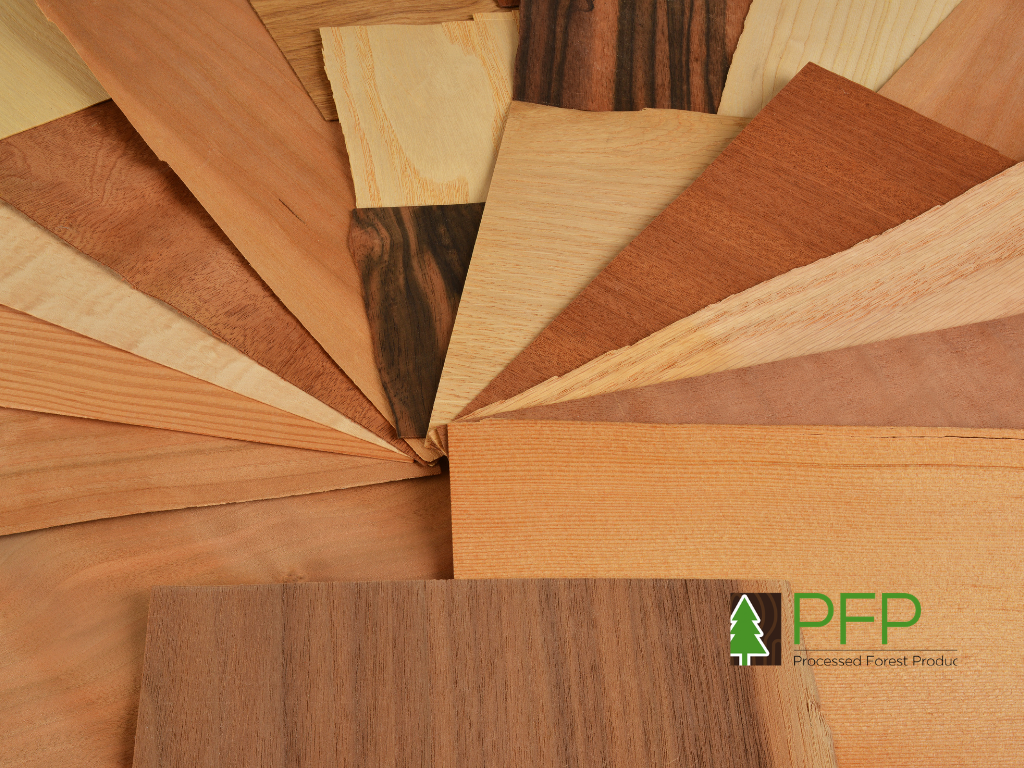
Check Sheet Size, Backing, and Substrate
Before ordering timber veneer sheets, check the product details carefully. Sheet size, veneer thickness, backing type, substrate, pressing method, and finish requirements can all affect how the product is used.
Some buyers need raw veneer. Others need pressed panels ready for joinery work. Some projects may require veneer on MDF, plywood, particleboard, or another substrate. The right option depends on the fabricator, application, budget, and performance needs.
Ask your supplier what format is available. You may need to confirm:
- Sheet dimensions
- Veneer species
- Cut type
- Backing type
- Substrate options
- Thickness
- Matching options
- Minimum order quantity
- Lead time
- Delivery method
These details are especially important for joiners and cabinetmakers who need accurate material planning before production starts.
Ask About Colour and Grain Matching
Colour and grain matching can affect the final appearance of the project. This is especially important for large cabinetry runs, wall panels, doors, and feature surfaces.
Because timber is natural, some variation is expected. However, a good supplier can explain what level of consistency is realistic. They may also help with batch selection, matching methods, or sample approvals.
If the project needs a very uniform look, discuss this early. Natural veneer may have more variation, while some reconstituted veneer options may offer more consistency. Neither is automatically better. The right option depends on the design intent.
For high-visibility projects, ask whether the supplier can provide samples from current stock. This is more useful than relying only on old sample boards or online images.
Think About Local Supply, Lead Times, and Delivery
Why timber veneer nsw Availability Can Help
For projects in New South Wales, timber veneer nsw supply can help with communication, samples, delivery timing, and local project coordination. This can be useful for Sydney joiners, builders, designers, shopfitters, and cabinetmakers working to tight schedules.
Local supply does not always mean every product is available immediately. Some species, sizes, or finishes may still need to be ordered. However, working with a supplier familiar with NSW projects can make planning easier.
If your project is in Sydney or Western Sydney, ask about delivery options, pickup, sample access, and lead times. These details can affect how smoothly your joinery schedule runs.
Plan Around Project Timelines
Veneer should be selected early in the design or build process. Waiting until production starts can create delays, especially if the chosen species is out of stock or needs special matching.
A good timeline usually includes sample review, client approval, quote confirmation, order placement, delivery, storage, fabrication, finishing, and installation. Each stage needs time.
You should also think about how the material will be stored before use. Veneer and veneered panels should be handled carefully and protected from moisture, heat, direct sunlight, and damage. Ask your supplier or fabricator for storage guidance based on the product you order.
How to Choose the Right Product or Service

Ask Practical Supplier Questions
When comparing wood veneer supplies, ask practical questions that help you understand the product and the supplier’s support. This makes it easier to choose based on quality and fit, not just price.
Useful questions include:
- Which veneer species suit my project?
- Are samples available from current stock?
- What sheet sizes are available?
- Can the veneer be supplied as pressed panels?
- What substrate options are offered?
- Can sheets be matched for grain and colour?
- What lead time should I allow?
- Is the product suitable for joinery, walls, doors, or furniture?
- How should the material be stored?
- What delivery options are available?
These questions help you compare suppliers more clearly. They also help prevent misunderstandings once the project moves into production.
Match the Supplier to Your Project Type
Not every supplier is right for every project. A small furniture project may need a different level of support than a large commercial fit-out. A residential kitchen may need careful sample matching, while a retail project may need repeatable supply across several locations.
A timber veneer manufacturer may be useful when you need production knowledge, panel options, or more technical product support. Specialist timber veneer suppliers may be helpful when you need species advice, samples, matching options, and product availability.
The right supplier should understand the type of work you are doing. They should also be able to explain the product in clear language so you can make a confident decision.
Choosing a Supplier for Design and Trade Support
Look for Clear Advice and Sample Support
Design and trade support can make the selection process much easier. Architects and interior designers often need samples, product names, finish notes, and specification details. Joiners and cabinetmakers need sheet sizes, substrate options, matching details, and delivery timing.
A helpful supplier should be able to speak to both design and production needs. This is important because a veneer may look good from a design point of view but still need to work for fabrication.
Sample support is especially useful. It allows clients and designers to compare colour, grain, and finish direction before ordering. For larger projects, it may also help avoid changes after materials have already been purchased.
When Forest Products May Be Useful to Contact
Forest Products may be useful to contact when you are comparing wood veneer suppliers, timber veneer suppliers, timber veneer sheets, or project-specific veneer options. This is especially helpful if you need guidance on species, sheet format, design suitability, or supply timing.
You may also want to speak with Forest Products if your project involves joinery, furniture, wall panels, doors, or commercial interiors. In these cases, choosing the right veneer early can help the designer, builder, and joiner work from the same material expectations.
For NSW projects, it can also be useful to ask about timber veneer nsw availability, delivery options, and current stock before finalising the design.
When Should You Contact the Company?

Contact a Supplier Before Finalising the Design
You should contact a supplier before finalising the design if veneer is an important visual feature. Early advice can help you choose a species, grain style, sheet size, and finish direction that suits the project.
This is especially important for large surfaces, repeated panels, curved joinery, doors, and feature walls. These applications often need careful planning to achieve a balanced result.
You should also contact a supplier early if the project has a strict timeline. Stock availability and lead times can change, so it is safer to confirm supply before the design is locked in.
Prepare Project Details for a Better Recommendation
Before contacting a supplier, prepare a few basic details. This helps them give a more accurate recommendation.
Useful details include:
- Project type
- Location
- Application, such as cabinetry, wall panels, doors, or furniture
- Preferred timber species or colour tone
- Required sheet size
- Approximate quantity
- Desired grain style
- Substrate preference, if known
- Finish requirements
- Timeline
- Delivery needs
You do not need to know every technical detail before asking for help. However, the more information you provide, the easier it is for the supplier to recommend the right option.
A strong final step is to compare more than the product price. Look at sample support, product suitability, matching options, lead times, delivery, technical knowledge, and communication. The right supplier should help you choose timber veneer that looks good, suits the project, and supports a smooth build process.