Modern interiors often highlight natural materials that bring warmth and texture into a space. One material that continues to grow in popularity is wood veneer design. Designers use veneer because it provides the beauty of real wood while allowing more flexibility for furniture, wall panels, and decorative elements.
Veneer is created by slicing thin sheets from natural timber. These sheets are then applied to engineered boards such as plywood or MDF. This process allows designers to achieve a natural wood look without using large solid timber pieces. Because of this, wood veneer design is widely used in cabinetry, wall panels, furniture surfaces, and architectural details.
Another reason veneer is popular is its versatility. Veneer can be arranged in different patterns to create unique visual effects. Designers often use matching techniques such as book matching or slip matching to produce balanced wood grain patterns. This makes wood veneer design both practical and visually appealing in modern interiors.
How is wood veneer design created for interior surfaces?
Thin veneer sheets are sliced from natural timber logs using specialised machines. These sheets are carefully dried and prepared before being attached to engineered boards. Once applied, the surface is sanded and finished to create a smooth and natural wood appearance.
Why do designers choose wood veneer design for interiors?
Designers choose wood veneer design because it combines beauty and flexibility. Veneer allows them to achieve natural wood finishes while keeping materials lightweight and easier to work with in interior projects.
Popular Natural Patterns in wood veneer design
One of the most attractive features of wood veneer design is the wide range of natural grain patterns available. Each veneer sheet displays unique lines and textures created by the natural growth of the tree. These patterns help designers add character and visual interest to interior spaces.
Different veneer cuts create different patterns. For example, flat-cut veneers often produce cathedral grain patterns, while quarter-cut veneers create straight grain lines. Designers carefully choose these patterns depending on the style of the interior project.
Using the right pattern helps create a balanced design. In modern interiors, subtle grain patterns often create a calm and elegant look. In contrast, bold grain patterns can become a feature element in furniture or wall panels.
What are the most common grain styles in wood veneer design?
Common grain styles include straight grain, cathedral grain, and figured grain. Straight grain provides a clean and modern appearance, while cathedral grain produces more decorative patterns.
How do natural wood patterns affect interior aesthetics?
Natural wood patterns influence how a space feels. Strong patterns can create visual focal points, while softer grain designs provide warmth and subtle texture.
The Unique Appeal of burl veneer in Decorative Interiors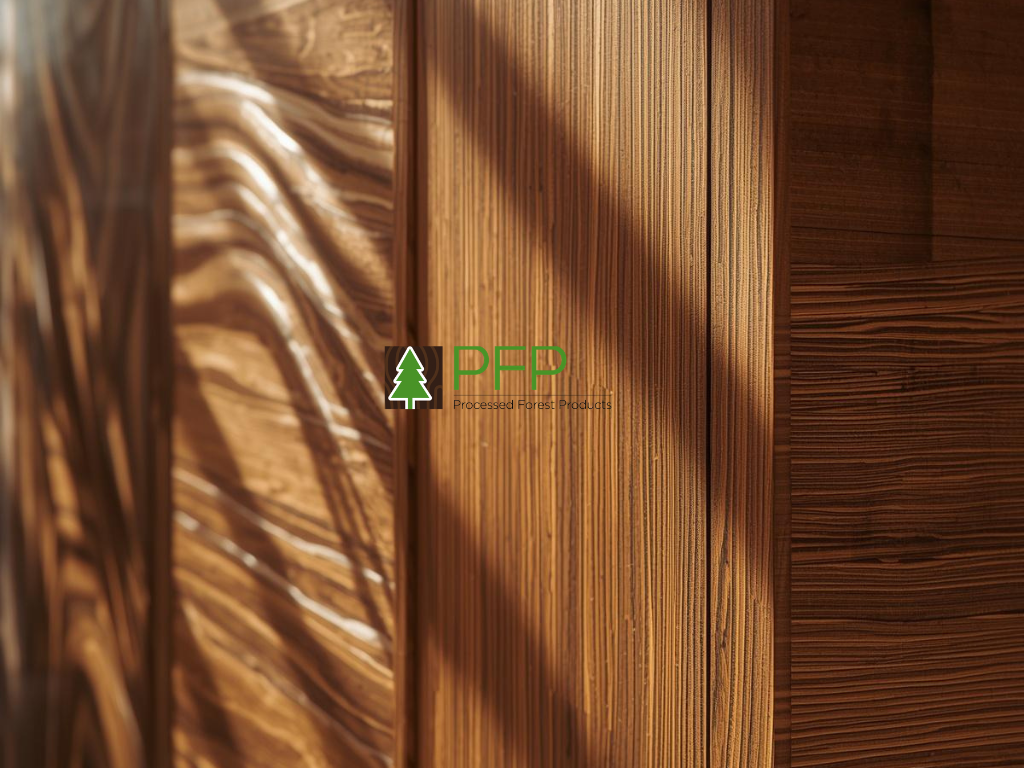
Among the many veneer styles available, burl veneer is known for its highly decorative and unusual appearance. Burl wood forms when trees grow in irregular ways, creating swirling and complex grain patterns. These natural formations make burl veneer very distinctive.
Because of its dramatic appearance, burl veneer is often used in luxury furniture and decorative panels. Designers frequently use it to create statement pieces that stand out in a room. Burl veneer surfaces can transform ordinary furniture into visually striking designs.
In addition, burl veneer is often used in feature walls, cabinet fronts, and decorative panels. The unique patterns add texture and depth that cannot easily be replicated with other materials.
What makes burl veneer visually unique?
The grain pattern in burl veneer contains swirling shapes and irregular lines. These patterns create a highly decorative surface that looks different on every sheet.
Where is burl veneer commonly used in interior projects?
Burl veneer is often used in luxury furniture, feature wall panels, custom cabinetry, and decorative interior accents.
Choosing Quality Materials from wood veneer suppliers
Selecting quality materials is an important step when working with veneer. Experienced wood veneer suppliers provide carefully prepared veneer sheets that maintain consistent grain patterns and thickness.
Reliable wood veneer suppliers also offer a wide selection of timber species. This allows designers to choose materials that match the style and colour palette of their projects. From light maple tones to darker walnut finishes, veneer options can support many design styles.
Another advantage of working with trusted suppliers is consistency. When large projects require multiple panels or furniture pieces, consistent veneer quality ensures the final design looks uniform.
What should you look for when selecting wood veneer suppliers?
Designers should look for suppliers that offer high-quality veneer sheets with consistent grain patterns, proper drying, and reliable finishing options.
Why do designers work closely with experienced wood veneer suppliers?
Experienced suppliers help ensure veneer materials are delivered in the correct quantity and quality. This helps avoid delays in large interior projects.
Using timber wood panel Systems in Interior Applications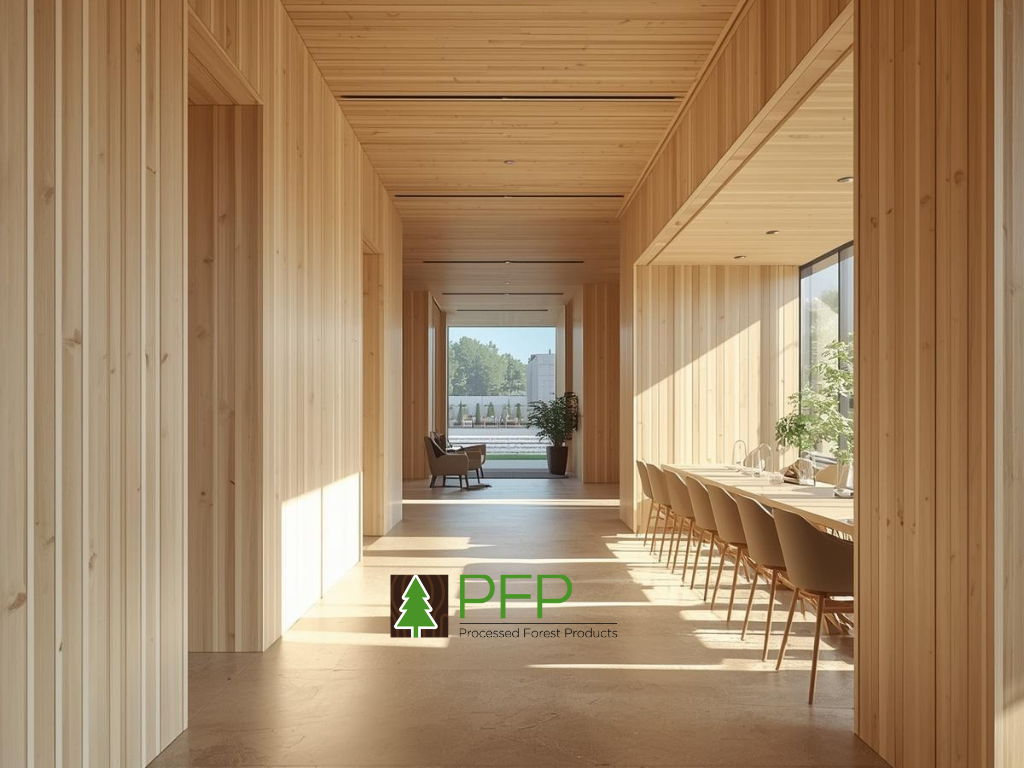
A timber wood panel combines veneer with engineered board materials to create strong and visually appealing panels. These panels are widely used in interior design because they offer durability while maintaining the natural look of wood.
Using a timber wood panel allows designers to apply veneer across large surfaces such as wall panels, cabinetry, and furniture pieces. This helps create consistent wood grain patterns throughout a space.
For projects that require reliable materials, many designers work with trusted wood suppliers. For example, Processed Forest Products is a wood supplier company where customers can get high quality wood products such as wood veneer, burl veneer, timber wood panel, laminated boards, and commercial and residential fire doors. Working with reputable suppliers helps ensure materials meet both quality and design expectations.
What is a timber wood panel and how is it used?
A timber wood panel typically consists of a veneer layer attached to plywood, MDF, or particle board. These panels are used for wall cladding, cabinets, doors, and furniture.
Why are timber wood panel materials popular in modern interiors?
These panels are durable, stable, and easy to install. They also allow designers to achieve beautiful wood veneer design finishes across larger surfaces.
Why Designers Prefer Materials from a timber veneer manufacturer
Interior designers often work with a trusted timber veneer manufacturer when sourcing materials for their projects. Manufacturers specialise in producing veneer sheets with consistent quality and grain patterns.
A professional timber veneer manufacturer carefully selects timber logs and uses specialised machines to slice veneer sheets. This process helps preserve the natural beauty of the wood while ensuring consistent thickness.
Manufacturers also provide a wide variety of veneer options. Designers can choose from different wood species, finishes, and veneer cuts to match their design concepts.
How does a timber veneer manufacturer produce veneer sheets?
A timber veneer manufacturer slices thin sheets from timber logs using precision machines. These sheets are then dried, graded, and prepared for furniture and interior applications.
What advantages do professional manufacturers offer?
Professional manufacturers provide consistent veneer quality, reliable supply, and a large range of veneer styles for interior projects.
Sustainable Materials: The Role of fsc certified veneer and timber veneer suppliers
Sustainability has become an important factor in modern design. Many designers and architects now prefer materials that support responsible forestry practices. This is where fsc certified veneer becomes valuable.
Using fsc certified veneer ensures that timber comes from forests that are responsibly managed. These forests follow strict environmental and social standards that help protect ecosystems and local communities.
Reliable timber veneer suppliers also help designers source sustainable materials for their projects. By working with responsible suppliers, designers can create beautiful interiors while supporting environmentally friendly practices.
Why is fsc certified veneer important for sustainable design?
fsc certified veneer confirms that timber products come from responsibly managed forests that follow strict environmental guidelines.
How do timber veneer suppliers support sustainable projects?
Professional timber veneer suppliers provide access to responsibly sourced veneer materials and help designers choose sustainable options for interior applications.